Is Binance Safe for Nigerians After the $6.3 Billion Hack?
On October 29, 2026, hackers drained about $6.3 billion from Binance in the largest crypto theft on record. The FBI has blamed North Korea, and Binance says it has already replaced 98% of the affected assets from its own funds. So is Binance safe? For most users worldwide, the honest answer is that their balances are fine. For Nigerians, the question goes well beyond the hack.
Using Binance from Nigeria has never only been about whether the exchange gets hacked. It is about whether you can get your money out, in Naira, into your own bank account, without exposing yourself to fraud or a frozen account along the way. This guide breaks down what this new situation unravels for Binance users in Nigeria.
If you want the technical story of how the attack worked, read Binance Hack Explained: How $6.3 Billion Left Binance in 20 Minutes.
The short answer to Is Binance Safe for Nigerians?
Your Binance balance has most likely been made whole. But the hack exposed one risk very clearly, and it sits on top of risks Nigerian users already carry every time they cash out from Binance:
- The platform can pause withdrawals, leaving your money safe but out of reach.
- The usual route to Naira, P2P, means trusting a stranger with your crypto or your cash.
- The Naira you receive can come from a source that gets your bank account flagged.
- When something goes wrong, you are dealing with an offshore company, not a local one.
Risk 1: Covered is not the same as accessible
Binance puts the damage at about $6.34 billion and says it has replaced 98% of it from company funds, with about $2.85 billion of the stolen crypto frozen. That protects your balance. What it did not protect was your timing.
Straight after the attack, Binance paused withdrawals. It only began reopening them on November 1, three days later, starting with Bitcoin and then ETH, BNB and the main stablecoins, with other assets coming back in phases from November 3. That was the responsible call. But picture this: a client paid your invoice in USDT on Thursday and your rent was due on Friday. Your money was safe, and completely out of reach for the whole weekend.
The way the attackers got in is a reminder too. According to Binance's own initial report, they spent months targeting its wallet engineers, using a tampered software download, a fake job interview and an internal AI tool. If the world's biggest exchange can be breached through its staff, any platform can.
To be fair, this is not unique to Binance. Any platform that holds your funds can pause withdrawals during a security incident. The real questions are how long your money has to sit there, and how many other risks you stack on top to reach Naira.
Risk 2: Binance P2P Nigeria means trusting a stranger
Binance does not pay Naira straight into Nigerian bank accounts. For most Nigerians, cashing out means selling to an individual through P2P or going through an informal middleman. That is where the familiar problems start:
- Fake payment alerts that look real until you check your account.
- Payments that land, then get reversed after you have released your crypto.
- Buyers or sellers who disappear halfway through a trade.
- Disputes that drag on for days while your funds sit in escrow.
We cover these in detail in our guide to P2P crypto risks in Nigeria.
Risk 3: Bad Naira and frozen bank accounts
Even when a P2P trade goes through cleanly, the Naira you receive comes from someone you do not know. If that money is linked to fraud, your bank account can be flagged or frozen, sometimes long after the trade.
This is not a theoretical risk. In 2024 the EFCC said it had frozen more than 300 accounts it linked to illicit P2P trading, as part of a wider probe into 1,146 bank accounts. Several Nigerian fintechs also warned customers that accounts used for crypto trades could be blocked.
Read more in our explainer on bad Naira and frozen accounts.
Risk 4: You are dealing with an offshore platform
Binance is a global exchange that is not registered with Nigerian regulators, and it spent 2024 in a high-profile legal dispute with Nigerian authorities. When something goes wrong, your recourse is a support ticket with a company based abroad, in a queue with millions of users worldwide.
Binance via P2P vs FlipEx at a glance
How FlipEx reduces these risks
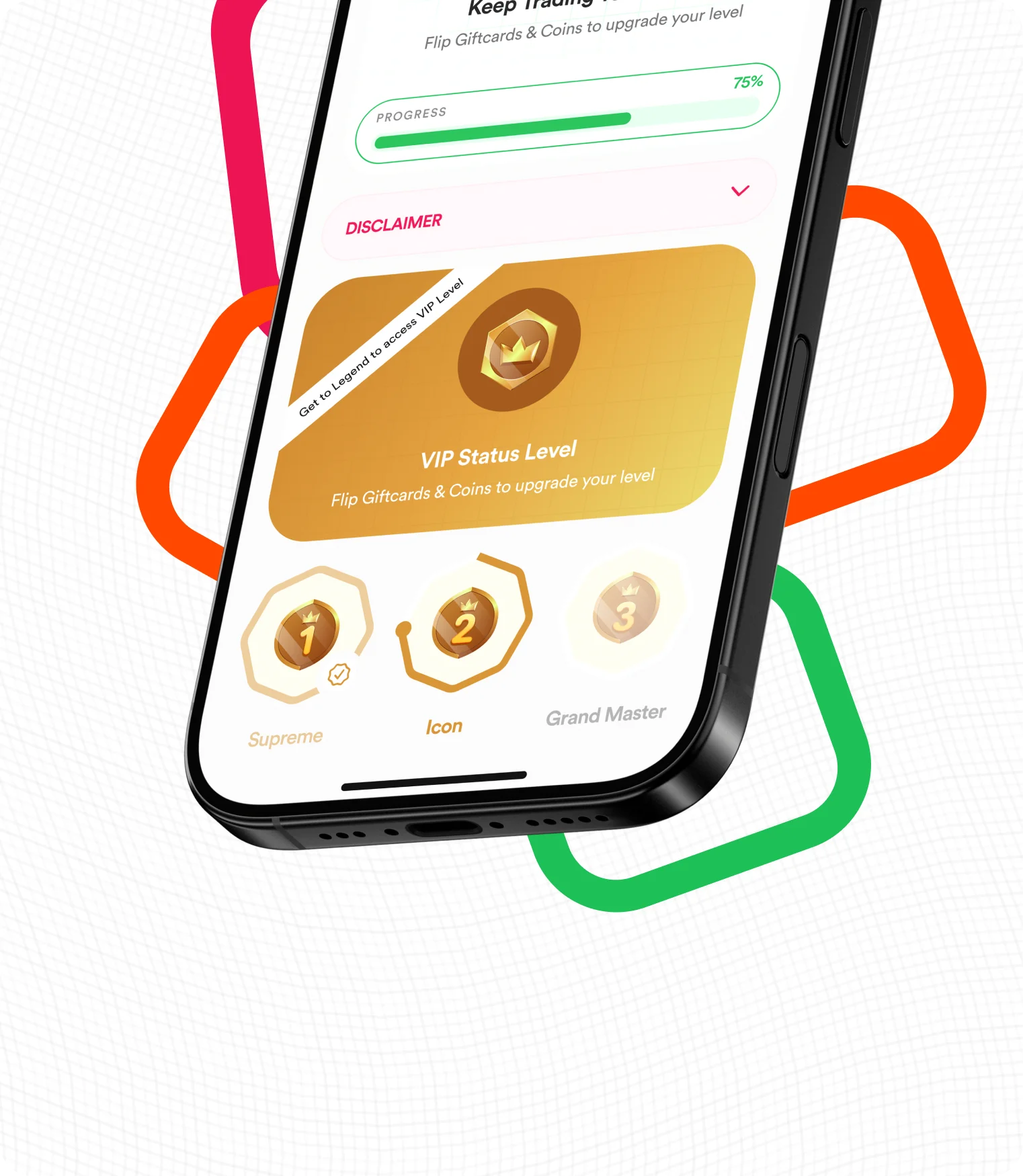
FlipEx was built in Nigeria for people who earn in crypto and spend in Naira. Its design removes most of the steps where Nigerians usually get hurt:
- No P2P. You sell directly at the rate shown in your FlipEx wallet. There is no stranger on the other side of the trade.
- Cleaner Naira. Your payout comes from FlipEx through established Nigerian payment partners, not from an unknown individual's account.
- Less time in custody. You can send crypto, convert crypto to Naira and withdraw to your bank account in one flow, so your money does not sit around waiting for a buyer.
- Local support. When you need help, you are talking to a team that understands Nigerian banks and Naira payouts.
No platform can promise it will never be targeted, and you should be wary of any that does. What you can control is how much you keep on any exchange, and how many unnecessary risks you take on your way to Naira.
How to protect yourself, wherever you trade Crypto
- Keep long-term holdings in a self-custody wallet you control, and only move to an exchange what you plan to trade or convert.
- Convert to Naira when you need it, rather than HODLing spending money on an exchange.
- Turn on withdrawal address whitelisting and use an authenticator app for two-factor login.
- Never release crypto on a P2P trade until the Naira is confirmed in your bank app, not just in an SMS alert.
- Ignore anyone offering "Binance hack refunds" through DMs, emails or links. Use only official channels.
The bottom line
Binance has made its users whole after the hack. But for Nigerians, a covered balance was never the whole story. Between paused withdrawals, P2P counterparty risk and bad Naira, the route from crypto to your bank account carries risks that have nothing to do with hackers. If you want to sell USDT in Nigeria without those extra steps, convert directly in your FlipEx wallet and withdraw straight to your bank account.
Frequently asked questions
Is Binance safe after the hack?
Binance says user funds are safe and that it has replaced 98% of the affected assets with company money. The bigger risk for Nigerians is access: withdrawals were paused for three days after the attack, and cashing out to Naira usually depends on P2P.
Is Binance safe in Nigeria?
Binance does not pay Naira directly to Nigerian bank accounts, so most users cash out through P2P traders. That exposes them to payment fraud and to bank accounts being flagged over bad Naira.
Why was my Binance withdrawal suspended?
Binance paused withdrawals right after the October 29 hack while it investigated and rebuilt its withdrawal service. It began reopening them on November 1, Bitcoin first, and restored other assets and networks in phases from November 3. If one is still unavailable, check Binance's official announcements rather than links shared in DMs or groups.
Did Binance users lose money in the hack?
Binance says customers will not lose money. It has replaced 98% of the roughly $6.34 billion in affected assets, and about $2.85 billion of the stolen funds has been frozen. Replacing assets is not the same as recovering them, though: most of the stolen crypto is still with the attackers.
What is the safest way to convert crypto to Naira?
Use a platform that buys your crypto directly and pays Naira straight into your bank account, so there is no stranger in the trade and no unknown source of funds. Only move what you plan to convert.
Is there a Binance alternative Nigeria users can trust for Naira?
FlipEx lets you convert BTC, USDT and other supported coins in your FlipEx wallet and withdraw Naira to your bank account, without P2P.